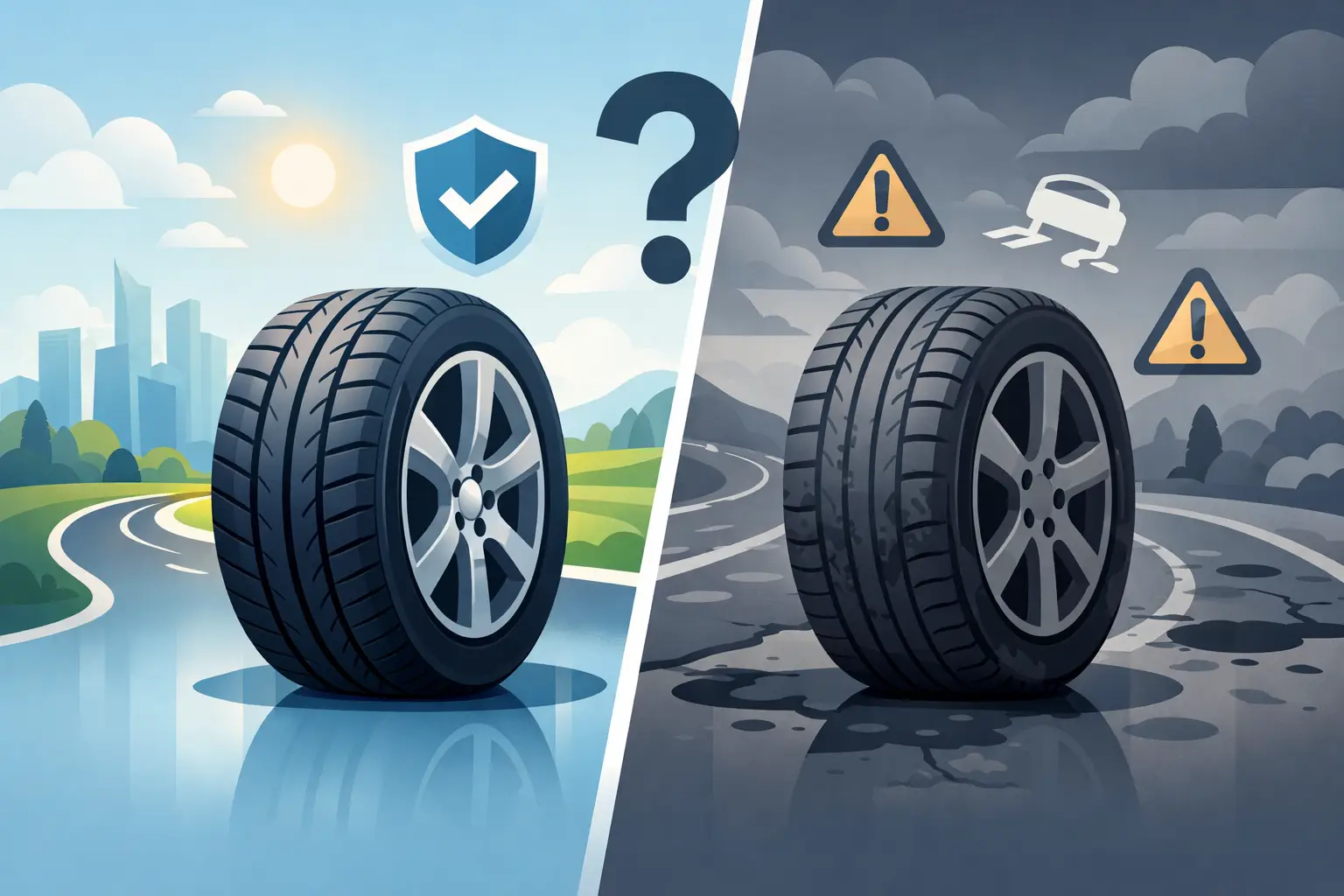

When it comes to staying safe on the road, the right tyres can make all the difference. If you’ve ever asked yourself, “What are run flat tyres?” or wondered whether they’re suitable for your vehicle, you’re in the right place. In this in-depth guide brought to you by Falcon Mobile Tyres, we’ll break down what run flat tyres are, how they work, their advantages and disadvantages, and whether they’re the right choice for your driving needs.
From luxury vehicles like BMWs to everyday commuters, run flat tyres are becoming increasingly common in the UK. So, if you’re wondering what is a run flat tyre for BMW? Or if you can you drive on a run flat tyre? Or trying to find a flat tyre repair near me? Then it’s clear to us that you are looking for clarity and confidence when it comes to your wheels.
What Are Run Flat Tyres?
Run flat tyres (also referred to as RFTs) are specially designed to continue functioning even after a loss of air pressure. That means if you get a puncture or experience a blowout, you can still drive for a limited distance, typically up to 50 miles at 50 mph, without needing to change the tyre immediately.
The primary goal of run flat technology is to give drivers greater control and safety in emergencies. This is particularly valuable when you’re driving in high-speed traffic, at night, or on rural roads where help isn’t immediately available.
There are two main types of run flat tyres:
1. Self-Supporting Tyres
These feature reinforced sidewalls strong enough to bear the weight of the vehicle even when the tyre has lost all air pressure. They’re the most common form of run flat tyres and are used by many car manufacturers.
2. Support Ring Systems
Less common in passenger cars, these tyres include a ring of hard rubber inside the tyre that supports the weight after pressure loss. These are mostly used in specialised or armoured vehicles.
Regardless of the type, run flat tyres require a Tyre Pressure Monitoring System (TPMS). Because the tyre doesn’t visibly deflate, TPMS is essential to alert the driver that there’s been a puncture.
Benefits of Run Flat Tyres
Run flat tyres offer several benefits that make them appealing to both manufacturers and consumers:
Safety and Control
One of the biggest advantages of run flat tyres is enhanced safety. A sudden blowout can be extremely dangerous, especially at high speeds. With RFTs, the car remains stable and steerable, allowing the driver to reach a safe stopping point.
Convenience
Changing a tyre on the side of a busy road or in poor weather is both stressful and dangerous. With run flat tyres, you don’t have to pull over immediately. You can continue driving to a nearby garage or safe location.
No Spare Needed
Since you can drive after a puncture, many vehicles equipped with RFTs don’t carry spare tyres. This saves space, reduces weight, and improves fuel efficiency slightly.
Peace of Mind
For daily commuters, parents with children, and long-distance travellers, run flat tyres offer reassurance that a puncture won’t leave them stranded.
Drawbacks of Run Flat Tyres
While run flat tyres offer many benefits, they also come with trade-offs that are worth considering:
Cost
Run flat tyres are generally more expensive than standard tyres. Replacing them can add up, especially if your vehicle experiences frequent punctures.
Limited Repair Options
Many run flat tyres cannot be repaired after a puncture, even if the damage is minor. Some brands do allow repairs under specific conditions, but most garages will recommend a full replacement.
Ride Comfort
Because of their stiff sidewalls, RFTs often result in a firmer, less comfortable ride compared to standard tyres. This is more noticeable on rough or uneven roads.
Tread Life
Some run flat tyres tend to wear out faster than their conventional counterparts. However, this varies widely depending on the brand, vehicle type, and driving habits.
Can You Drive on a Run Flat Tyre?
Yes, you can drive on a run flat tyre, but only within its limitations. Most manufacturers advise a maximum distance of 50 miles at a top speed of 50 mph after the tyre loses air pressure.
It’s important not to exceed these limits. Continuing to drive on a fully deflated run flat tyre for too long can damage your wheels and compromise your safety. Always check your vehicle’s manual and the specific tyre manufacturer’s guidelines.
Are Run Flat Tyres Right for You?
Run flat tyres can be an excellent option for certain drivers, but they’re not for everyone. Consider the following before making your decision:
Ideal Candidates for Run Flat Tyres:
- Drivers of performance or luxury vehicles (e.g., BMW, Lexus, Mercedes-Benz)
- People who drive frequently on motorways
- Motorists who value safety and convenience over cost
- Those who don’t want to carry a spare tyre
Who Might Avoid Them:
- Drivers who prioritise ride comfort
- Budget-conscious motorists
- People whose vehicles aren’t equipped with TPMS
- Those living in areas with excellent roadside assistance or mobile tyre services
Run Flat Tyres and BMW: A Popular Pairing
If you drive a BMW, you’ve likely heard of or already have run flat tyres. BMW is one of the biggest adopters of RFTs, equipping many of their vehicles with these tyres as standard. The combination of safety, performance, and space-saving benefits fits well with BMW’s design philosophy.
However, BMW drivers should know that switching to conventional tyres can affect ride quality and may even interfere with some safety systems. Always consult your dealer or tyre specialist before making any changes.
Frequently Asked Questions
- How can I tell if I have run flat tyres?
Check the tyre sidewall for markings like “RFT,” “ROF,” “SSR,” or “ZP.” You can also refer to your vehicle’s manual or ask your tyre technician.
- Can run flat tyres be repaired?
In most cases, no. Once driven on flat, the internal structure may be compromised. Some manufacturers allow repairs, but it depends on the type and location of the damage.
- Can I mix run flat tyres with standard tyres?
This is strongly discouraged. Mixing tyre types can affect handling, safety, and braking performance. If you switch from RFTs to standard tyres, you should do so on all four wheels.
- Do I still need tyre maintenance with RFTs?
Absolutely. Run flat tyres require the same level of care as standard tyres, including regular pressure checks, alignments, and rotations.
Local Support: Flat Tyre Repair Near You
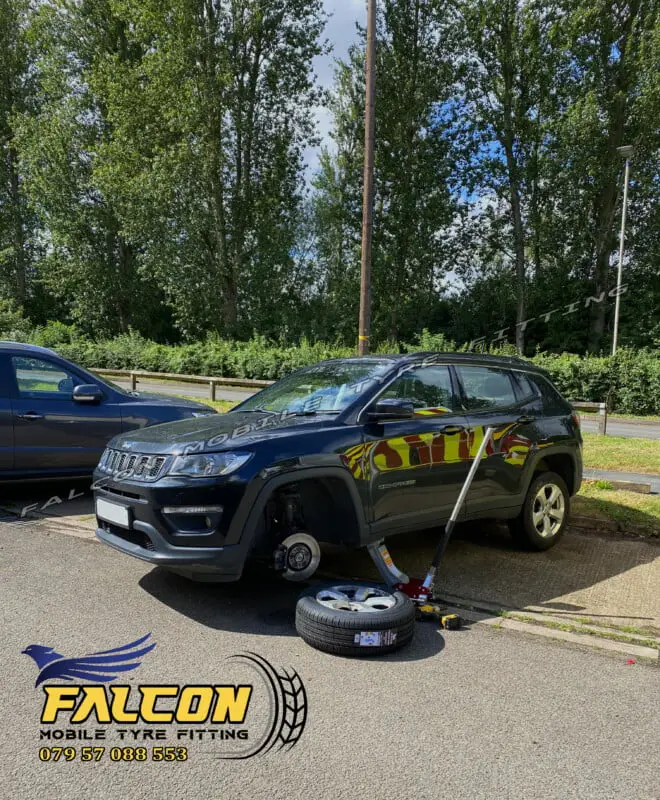
If you’ve experienced a puncture and are searching for “flat tyre repair near me,” Falcon Mobile Tyres is here to help. We offer emergency mobile tyre services, including the supply and fitting of run flat tyres for all major car brands.
Our team of technicians is trained to assess run flat damage, offer guidance on replacements, and help you choose the right tyre for your needs. Whether you’re driving in a city like London or a rural area in the UK, we bring the garage to your doorstep.
Run Flat Tyres vs Conventional Tyres: A Side-by-Side Comparison
| Feature | Run Flat Tyres | Conventional Tyres |
|---|---|---|
| Can drive after puncture? | Yes | No |
| Requires TPMS? | Yes | No (but recommended) |
| Ride comfort | Firmer | Smoother |
| Repairable? | Rarely | Often |
| Cost | Higher | Lower |
| Spare tyre required? | No | Yes |
Contact us for help!
So, what are run flat tyres? They are innovative, safety-focused tyres that provide continued mobility after a puncture, removing the need for immediate roadside tyre changes. While they may cost more and sacrifice some comfort, their benefits in safety, convenience, and space-saving make them a popular choice for many UK drivers.
Still unsure whether run flat tyres are right for you? Contact Falcon Mobile Tyres for personalised advice, expert installation, and mobile service you can trust.
Let us help you stay safe, stay mobile, and keep moving forward—no matter what the road throws your way.