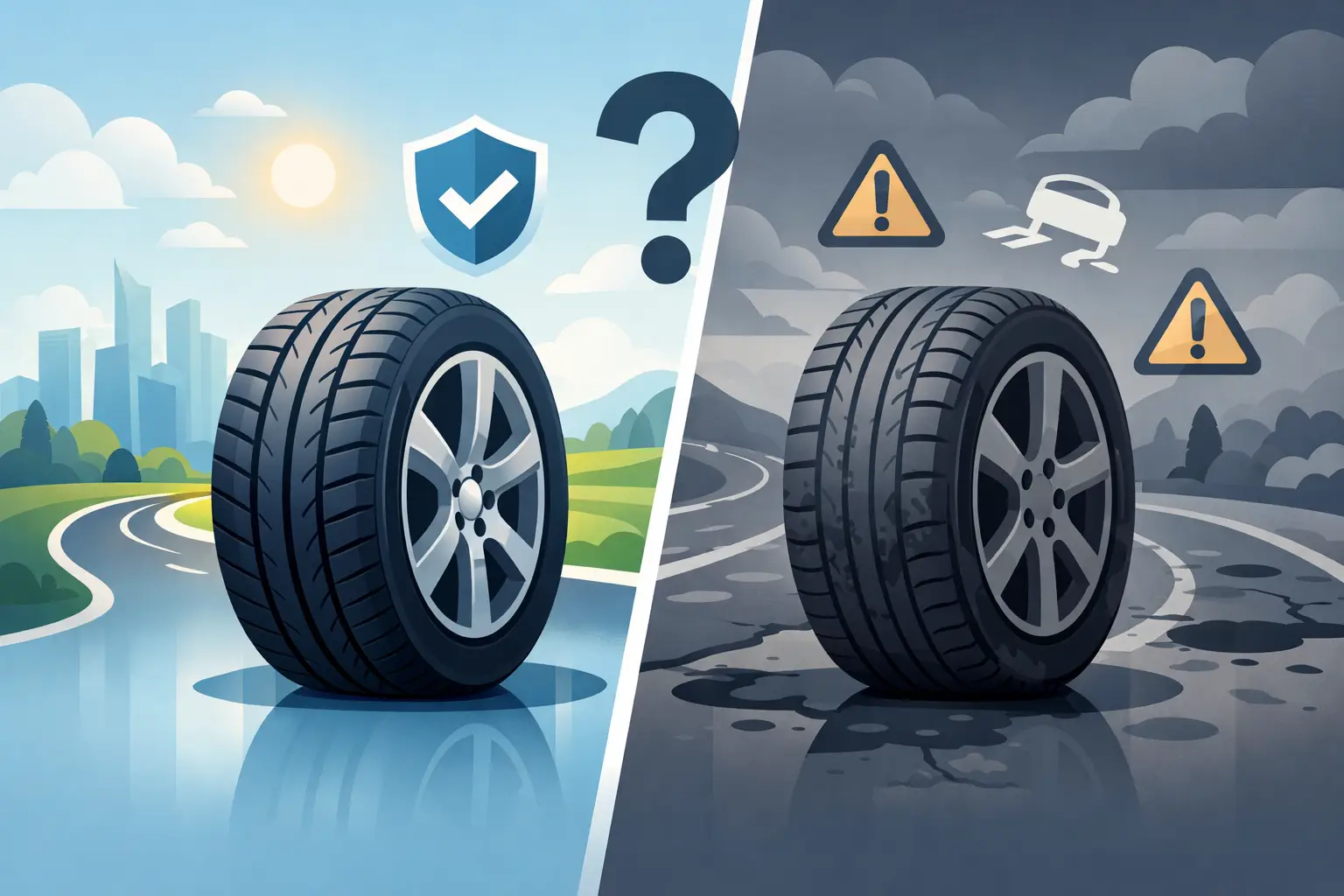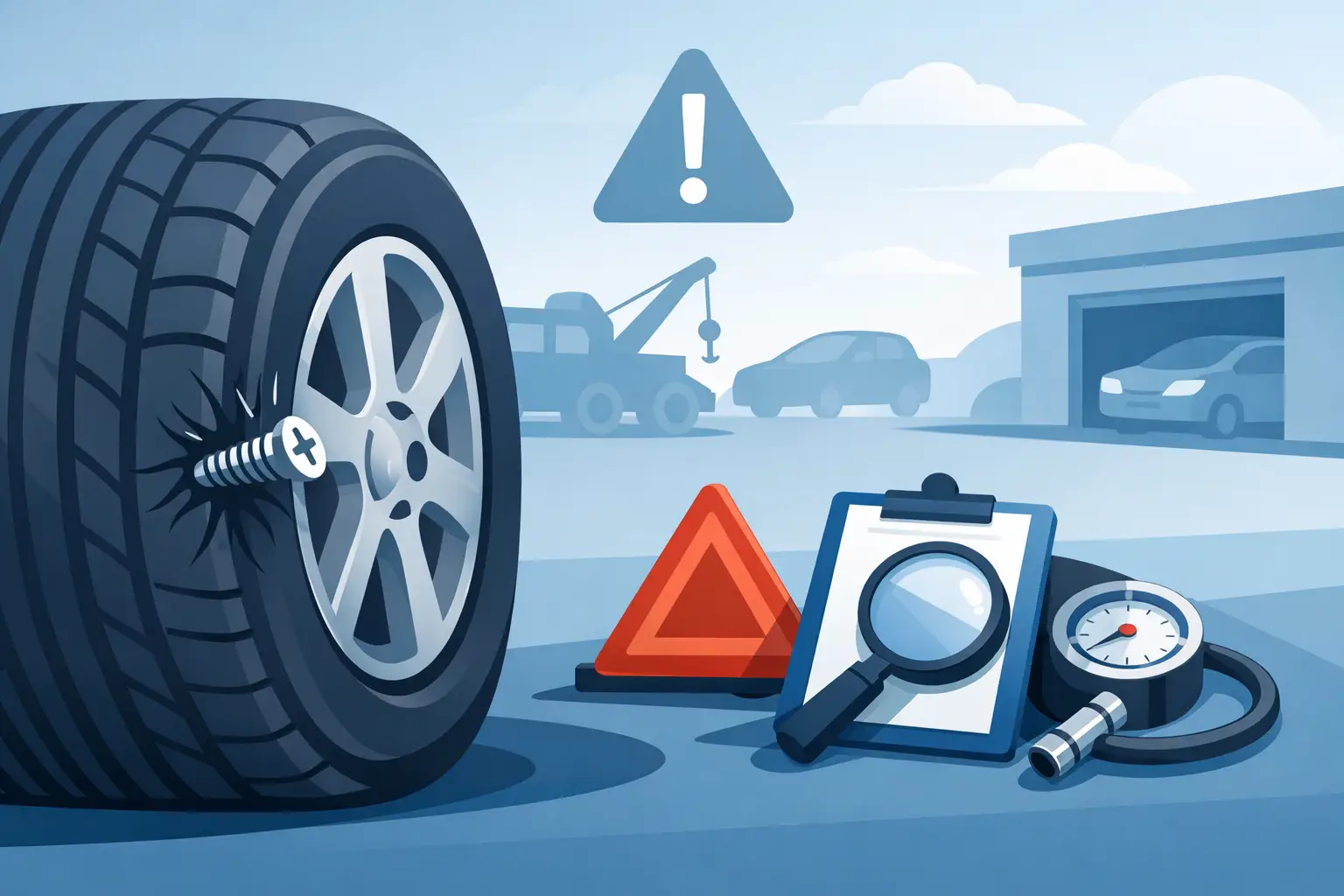

A puncture rarely happens at a convenient time. You may be outside work, loading the school run, parked at home or stopped on a busy route through South East London or Kent. Knowing how roadside tyre callouts work takes some of the pressure off: you give your location and vehicle details, a mobile technician is dispatched, and the tyre is assessed and repaired or replaced where it is safe to do so.
The aim is straightforward. You should not have to hunt for a garage, arrange a tow or risk driving on a damaged tyre. A properly equipped mobile tyre service brings the tools, tyres and experience to you, helping you get back on the road with the right solution rather than a rushed guess.
First, make the vehicle safe
Before making a call, get yourself out of immediate danger. If the tyre fails while driving, slow down gradually, keep a firm hold of the steering wheel and avoid sudden braking or sharp turns. Pull into a safe place away from moving traffic where possible.
On a motorway, do not attempt to change a wheel beside a live lane. Use an emergency area if you can reach one safely. Switch on your hazard lights, leave the vehicle only when it is safe to do so and wait behind a safety barrier where available. If you are in danger or obstructing traffic, contact the emergency services first.
At home, at work or in a car park, make sure the vehicle is on firm, level ground and not blocking other drivers. A technician will need enough room to work safely around the affected wheel.
What happens when you request a roadside tyre callout
The first conversation is about getting the right help to the right place. The more accurate the details, the less time is lost when the technician arrives. You will normally be asked for your exact location, vehicle registration or make and model, tyre size if known, and a clear description of the problem.
It helps to explain whether the tyre is flat, has a visible screw or nail, has split at the sidewall, or has come off after striking a pothole or kerb. If you have a locking wheel nut and the key is missing, say so at the start. This changes the equipment required and avoids an unnecessary delay.
For roadside locations, give useful landmarks as well as a postcode. Tell the operator the road name, direction of travel, nearby junction, service station or shop. If you are in an underground car park, check the height restrictions too. A mobile tyre van needs safe access.
Once the job details are confirmed, the service checks availability, identifies the suitable tyre option if a replacement may be needed, and provides clear information about the likely cost. A trustworthy provider should explain any callout charge, fitting cost and tyre price before work begins. Final pricing can depend on the tyre size, brand, damage and whether a repair is safe, but there should be no surprises.
How roadside tyre callouts work on arrival
The technician does not simply fit the first tyre available. They start by inspecting the tyre, wheel and valve to find the real cause of the problem. A tyre that looks punctured may have a damaged valve, a cracked wheel, a bead leak or pressure loss caused by an older repair.
They will check the tread, sidewall and internal condition of the tyre. This matters because not every puncture can be repaired safely. Driving for any distance on a fully deflated tyre can damage the inside of the casing, even if the outside looks relatively normal. A sidewall cut, bulge, exposed cords or severe shoulder damage will usually mean replacement is the safer option.
If the tyre is suitable for repair, the wheel is removed and the puncture is assessed properly. A professional repair is more than pushing a plug into the outside of the tyre. The technician needs to confirm the location and extent of the damage, prepare the area correctly and check for internal damage before completing the repair. The tyre is then refitted, inflated to the correct pressure and checked for leaks.
If a replacement is needed, the technician removes the damaged tyre and fits a suitable new tyre on site. They balance the wheel where the mobile setup allows, set tyre pressures and tighten wheel bolts or nuts to the correct specification. You should be told if there is anything else worth addressing, such as uneven wear, a damaged wheel rim or another tyre nearing its legal limit.
Repair or replacement: the decision is about safety
A repair is often the quickest and most cost-effective answer for a small tread-area puncture, particularly where the tyre has not been driven flat. It also avoids replacing a tyre that still has plenty of legal, usable tread left.
However, replacement is not an upsell when the tyre has structural damage. Sidewall damage, large holes, tyre bulges and internal deterioration are safety issues. The same applies if the tyre is below the legal tread depth or has worn unevenly due to alignment or suspension problems.
There can also be a choice of replacement tyre. Budget, mid-range and premium options may be available depending on the size and stock carried. The right choice depends on your mileage, vehicle, load, driving conditions and how soon you need to be moving. A van carrying tools all day may need a different load-rated tyre from a family hatchback used mainly for local journeys.
What if you have locking wheel nuts?
A missing or damaged locking wheel nut key is a common reason drivers cannot change a wheel themselves. It can turn an ordinary puncture into a longer stop, especially if the locking nut has seized or has been rounded off by unsuitable tools.
A specialist mobile technician can assess the locking wheel nut and use the correct removal equipment where possible. The process needs care. Forcing the nut can damage the alloy wheel, wheel studs or brake components. Once removed, you can choose to fit standard wheel nuts or arrange a replacement locking set, depending on your vehicle and security needs.
How long does a callout take?
Response time depends on where you are, traffic, weather, technician availability and the tyre required. A puncture repair at a straightforward roadside location can be completed relatively quickly once the technician arrives. A replacement may take longer if the exact tyre size has to be sourced, or if access is difficult.
Be cautious of anyone promising a fixed time without checking your location and tyre details. The useful question is whether the provider has a realistic dispatch process, keeps you updated and arrives with the equipment needed for the job. Falcon Mobile Tyres Fitting provides mobile assistance across South East London and Kent, with 24/7 support for urgent tyre problems where safe on-site work is possible.
What you should have ready
You do not need to know everything about tyres, but a few details make the booking faster. Have your registration, location, contact number and a brief description of the fault ready. If you can safely read the tyre sidewall, the size will look similar to 225/45 R17. A photo can also help identify visible damage, provided you do not put yourself at risk to take it.
Tell the technician if your vehicle is a van, SUV, caravan or fitted with run-flat tyres. These vehicles can require different tyres, lifting equipment or fitting methods. Also mention if the vehicle is heavily loaded, has limited access around it, or is parked on a steep driveway.
After the tyre has been repaired or fitted
Before you leave, confirm what work has been completed and keep the invoice for your records. If a repair was carried out, check the tyre pressure again after a short period of driving and return if you notice further pressure loss, vibration or warning lights.
If the old tyre showed unusual wear, do not ignore it. Wear on one edge can point to wheel alignment issues, while uneven patches may suggest a suspension or balancing problem. A new tyre can get damaged early if the underlying cause is not dealt with.
A roadside tyre problem is stressful enough without being left to work out the next step alone. Make the vehicle safe, provide clear information and let a qualified mobile technician assess the tyre properly. When you need fast, practical help at home, work or roadside, Call Us Now and get the right tyre solution brought to you.