A cheap replacement tyre can feel like the quickest way out of a puncture or failed MOT. But when comparing new tyres versus part-worn, the price on the sidewall is only part of the decision. The tyre is the only part of your car, van or SUV that touches the road. Its condition affects braking, steering, grip in heavy rain and how confidently you can get back to work, school runs or the motorway.
Part-worn tyres can have a place in limited circumstances, but they are not automatically a bargain. For most drivers who rely on their vehicle every day, a correctly fitted new tyre is the safer and more predictable choice.
New tyres versus part-worn: the real difference
A new tyre has its full usable tread depth, known manufacturing history and an unworn internal structure. Most new car tyres start with around 8mm of tread, although this varies by tyre and size. You know what you are buying, and you have the best possible margin before the legal minimum tread depth is reached.
A part-worn tyre has already been used on another vehicle. It may look acceptable from the outside, but its past is not always clear. It could have covered a few hundred miles or many thousands. It may have been driven underinflated, struck a kerb, picked up an unseen internal injury or had a previous repair.
That does not mean every used tyre is unsafe. A properly inspected, legally sold part-worn with good remaining tread can be suitable as a short-term solution. The issue is uncertainty. You are paying less upfront while accepting less remaining life and a greater need for careful inspection.
Why tread depth matters more in wet weather
UK law requires car tyres to have at least 1.6mm of tread across the central three-quarters of the tyre, around its full circumference. That is the legal floor, not a sensible target for daily driving.
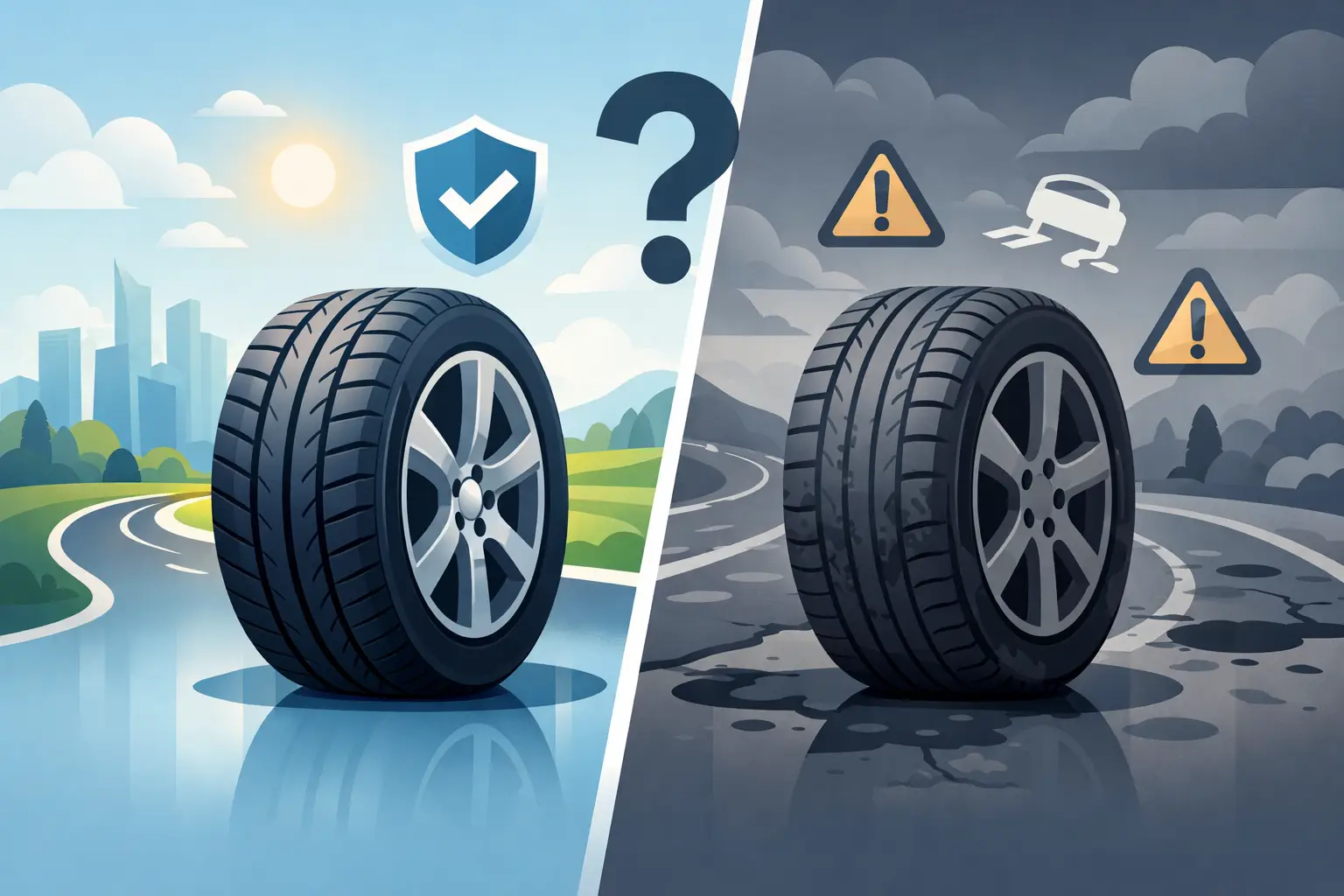
Tread channels water away from the contact patch. As tread gets low, the tyre is less able to clear standing water, increasing the risk of aquaplaning and lengthening stopping distances on wet roads. This matters on South East London routes, Kent A-roads and motorways alike, where sudden rain, surface water and stop-start traffic are common.
A part-worn tyre may be legal at the point of sale but still have limited useful tread left. If it arrives with 2mm or 3mm, you may soon face another replacement. A new tyre gives you far more working tread, so it usually delivers better value over its full life as well as stronger wet-weather performance.
The hidden condition of a used tyre
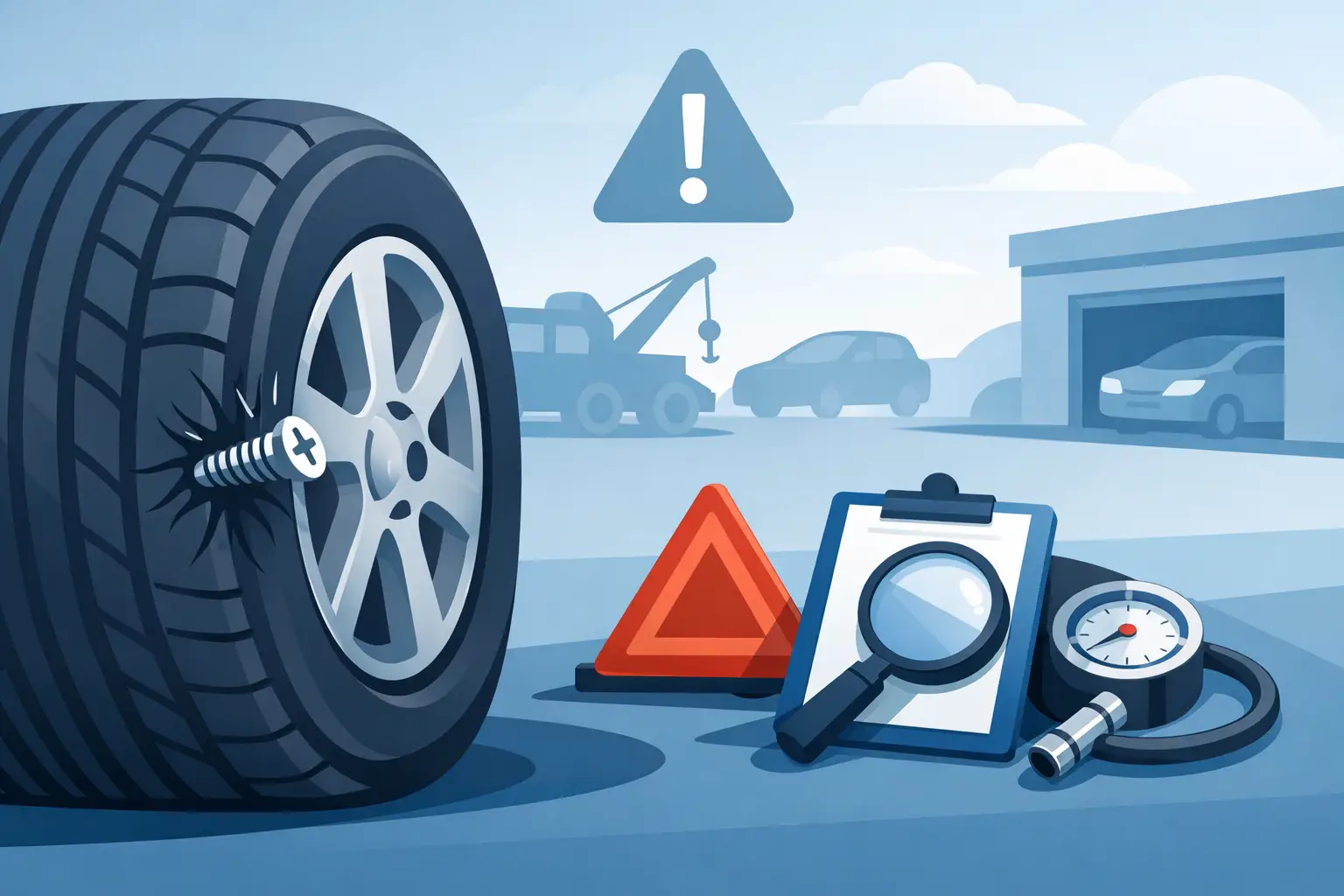
The outside of a tyre tells only part of its story. Bulges, cracking, exposed cords, embedded objects and uneven wear are obvious warning signs, but internal damage can be harder to spot. Driving even a short distance on a flat tyre can damage the sidewall inside, despite the tyre appearing serviceable once reinflated.
Uneven wear also points to a possible underlying issue. Excess wear on one edge can indicate poor wheel alignment. Wear through the centre may suggest regular overinflation, while worn shoulders can come from low pressure. Fitting a part-worn tyre with a different wear pattern to the others can affect handling and may hide a problem that needs attention.
Age matters too. Rubber deteriorates over time, even when tread remains. Check the DOT date code on the sidewall if you are considering a used tyre. A tyre that has been stored badly, exposed to sunlight or is simply old may have hardened rubber or developing cracks. Plenty of tread does not guarantee a tyre is in good condition.
Are part-worn tyres legal in the UK?
Part-worn tyres can legally be sold in the UK, but sellers must meet specific safety requirements. A legal part-worn should be thoroughly inspected, have no serious defects and be permanently marked as “PART-WORN” in the required position. It must also meet the applicable minimum tread requirement for sale.
The practical problem is that not every tyre offered privately or cheaply meets those standards. A tyre sold from a garage, driveway or online listing without clear inspection information gives you little reassurance. If there is no visible part-worn marking, the tyre has suspiciously low tread, or the seller cannot explain its condition, walk away.
Never fit a tyre with a bulge, split, deep cut, visible cord, significant cracking or questionable repair. These are not cosmetic problems. They can lead to sudden failure, especially at speed or when carrying passengers, tools or heavy loads.
When a part-worn tyre may make sense
There are situations where a part-worn tyre can be a reasonable, temporary option. Perhaps you need to move a vehicle on soon, the car is nearing the end of its life, or you need a matching tyre size that is difficult to source immediately. It may also help when budget is genuinely tight and the alternative is driving on a dangerous or illegal tyre.
Even then, choose carefully. The tyre should be from a reputable supplier, show strong and even remaining tread, be correctly marked and pass a professional inspection. It must also be the correct size, load rating and speed rating for your vehicle.
For a driven axle, matching tyres is particularly important. Different tread patterns, tread depths and tyre types can change how the vehicle behaves under braking and in the wet. On many vehicles, the better pair of tyres should be fitted to the rear axle to improve stability, regardless of whether the vehicle is front- or rear-wheel drive.
Why new tyres are usually better value
A new tyre costs more on the day, but it provides a known starting point. You get full tread depth, current rubber, manufacturer backing and a longer period before another replacement is due. For commuters, family cars, vans and vehicles that regularly travel at motorway speeds, that certainty is worth a lot.
New tyres also give you more choice. You can select a tyre suited to how you drive: dependable budget tyres for local use, established mid-range options for balanced performance, or premium tyres for high mileage, wet grip and lower road noise. The right answer depends on the vehicle, mileage, driving conditions and budget. The cheapest tyre is not always poor, and the most expensive one is not always necessary.
For vans and tradespeople, fitting new tyres can reduce disruption. A tyre with deeper tread and a sound casing is more likely to give consistent service through long days, loaded runs and frequent stop-start journeys. Replacing a worn tyre twice because the first cheap option had little life left is rarely a saving.
Do not ignore the tyres already on the vehicle
Before replacing one tyre, check the condition of the others. If the matching tyre on the same axle is also worn, cracked or close to the legal limit, replacing the pair may be the smarter choice. It helps maintain balanced grip and avoids another urgent call-out a few weeks later.
Also check tyre pressures after fitting and then regularly afterwards. Incorrect pressure causes premature wear, reduces grip and can increase fuel use. A quick monthly check, plus a check before a long journey or heavy load, can add real life to a new set of tyres.
If a puncture is caught early, a professional repair may be possible. It depends on where the damage is, the size of the puncture and whether the tyre has been driven flat. Damage to the sidewall or shoulder usually means replacement is the safe option.
Get the right tyre fitted where you are
When you are stranded, it is easy to focus only on the fastest and cheapest replacement. Take a moment to ask about tread depth, tyre age, tyre condition and whether a new tyre is available in the correct specification. Clear answers now can prevent another problem down the road.
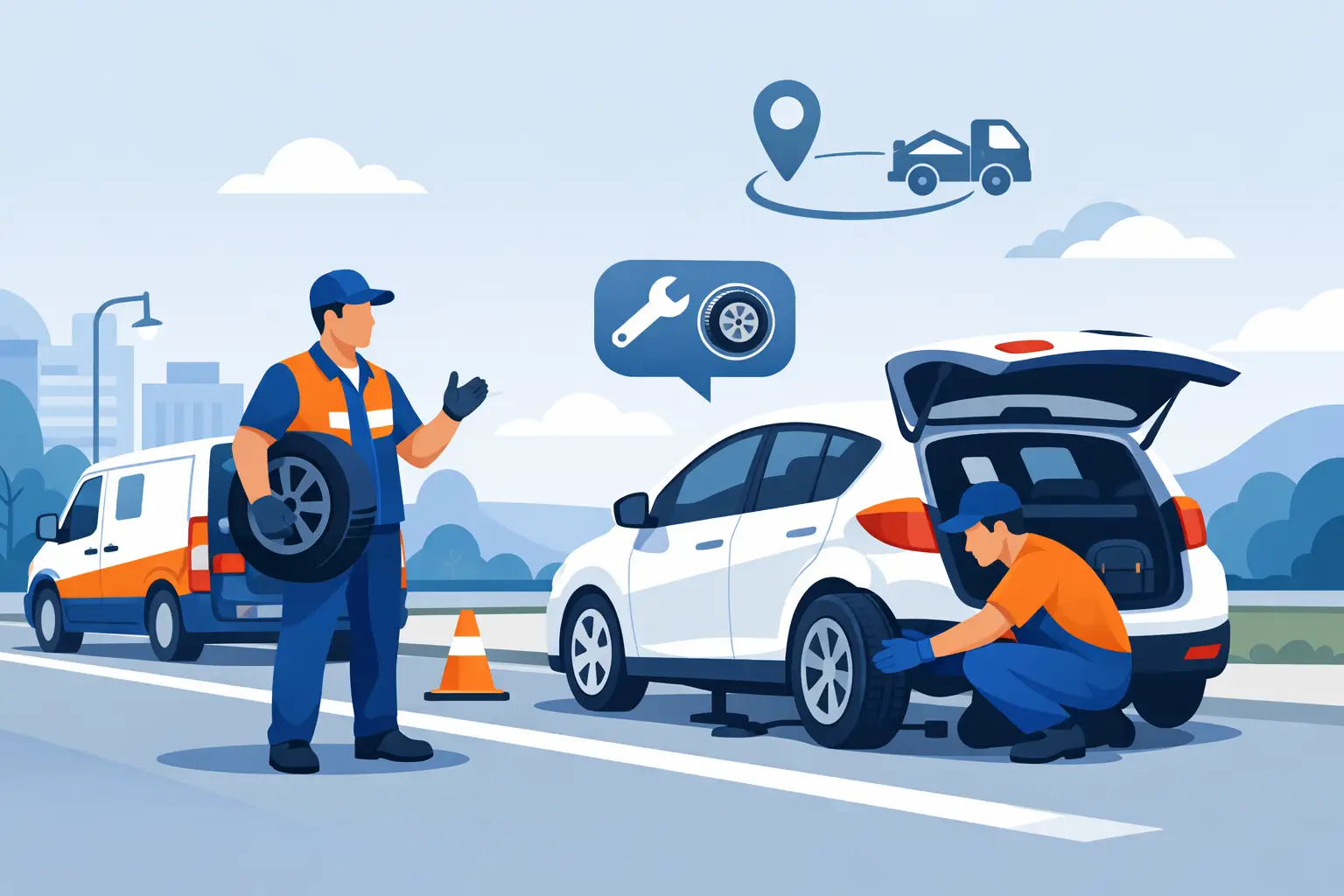
Falcon Mobile Tyres Fitting can assess the tyre at your home, workplace or roadside location and fit a suitable replacement without the garage wait. If you have a puncture, a damaged sidewall or tyres close to the limit, call us now for practical advice and a fast local response across South East London and Kent.
The best tyre choice is the one that keeps your vehicle safe, legal and dependable for the journeys you actually make. If a part-worn tyre is your only immediate option, make sure it has been properly checked. When your budget allows, new tyres give you the confidence to carry on without wondering what the previous owner left behind.