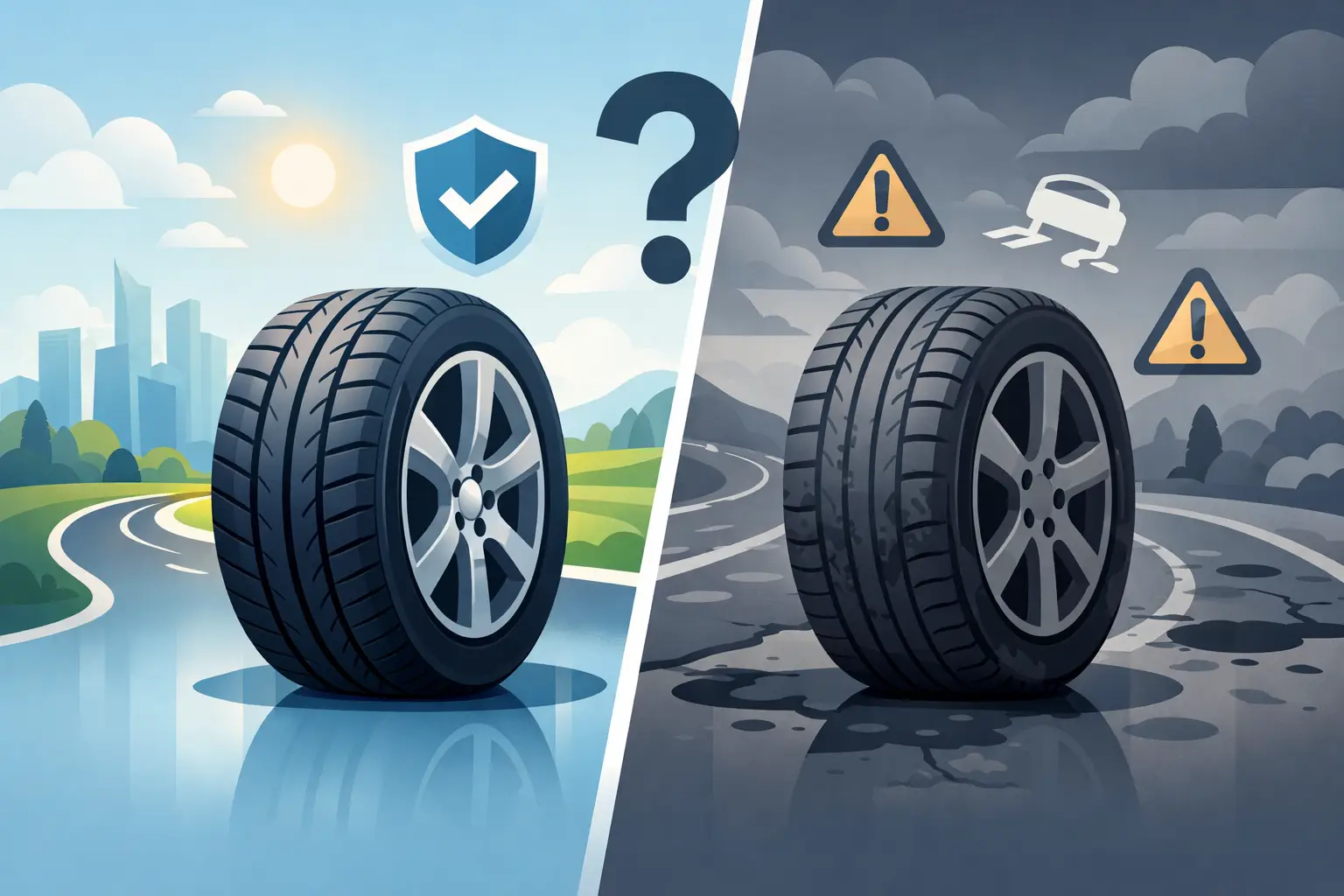
A screw in the tread on your drive is frustrating. A tyre losing pressure on the way to work, with the school run still ahead of you, is far more urgent. So, when can a tyre be repaired? Usually, it comes down to where the damage is, how large it is and whether the tyre has been driven while flat.
A professional inspection is the only safe way to decide. Some punctures can be repaired quickly at your home, workplace or roadside. Others need a replacement straight away, even if the tyre still appears to hold air. The difference matters for your safety, your vehicle’s handling and your ability to stay legal on the road.
When can a tyre be repaired safely?
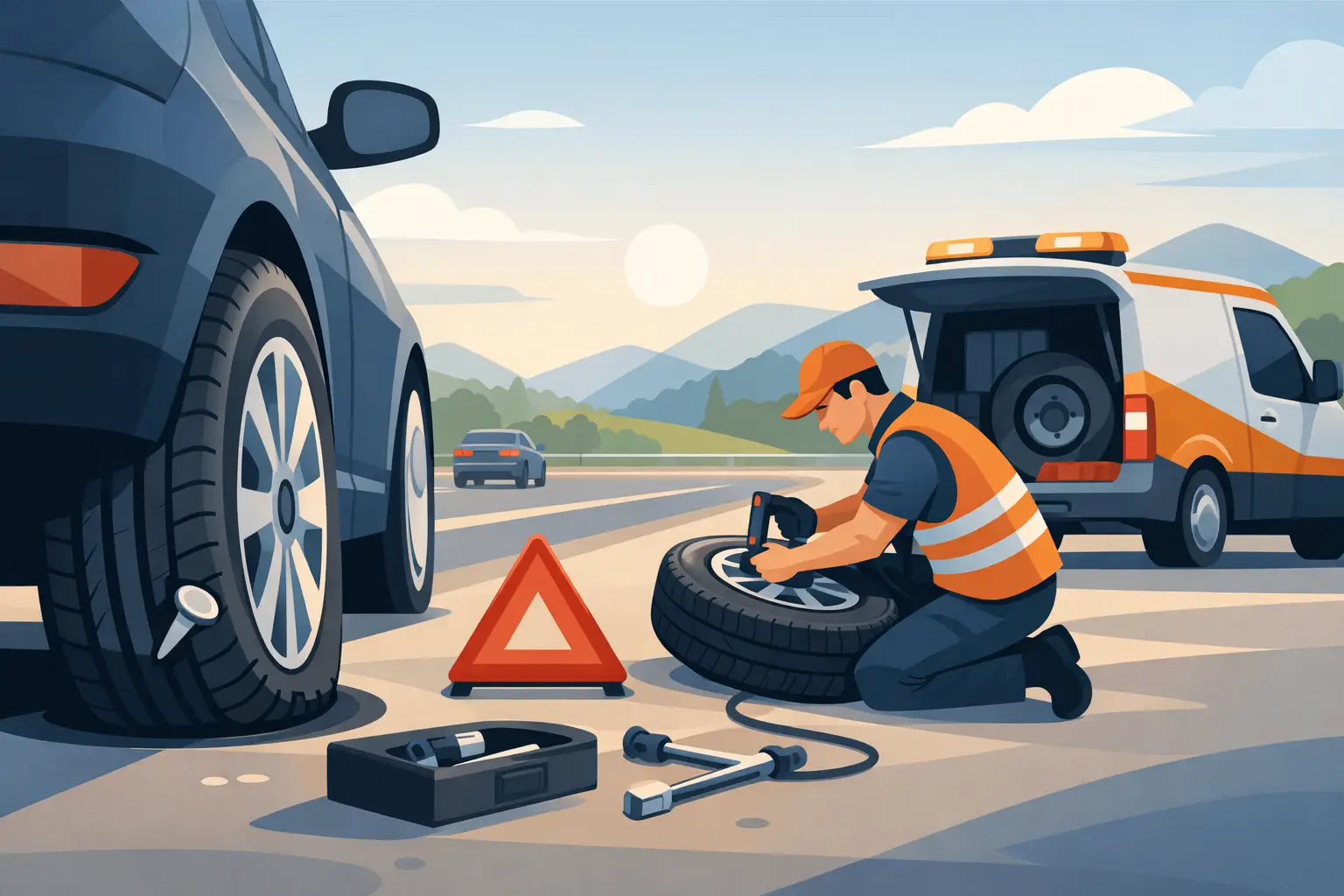
A tyre can often be repaired when the puncture is in the main central tread area and the damage is small, clean and limited to the tread. A nail or screw that has gone straight through the tread is a common example. If the tyre has not been run flat and its internal structure remains sound, a proper repair may be possible.
The tyre must first be removed from the wheel and inspected inside as well as outside. This is not a job for a quick plug pushed in from the outside. A proper repair checks for hidden damage, removes the object safely and uses an approved repair method designed to seal and reinforce the puncture area.
The tread itself must also have enough legal and practical life left. A tyre at or close to the 1.6mm legal minimum across the central three-quarters of the tread is rarely worth repairing. Replacing it is normally the safer and more sensible option, particularly if you cover regular motorway miles or carry passengers, tools or stock.
Where the puncture is makes all the difference
The centre of the tyre has a relatively stable, reinforced structure. That is why a small puncture there may be repairable. The outer shoulder and sidewall are different. They flex heavily as the wheel turns, and damage in these areas can weaken the tyre in a way that cannot be safely repaired.
If the puncture is close to the edge of the tread, on the shoulder or in the sidewall, expect a replacement rather than a repair. The same applies if the wheel has struck a kerb or pothole and the sidewall has a cut, bulge or visible scuffing deep enough to expose the structure beneath.
A sidewall bulge is particularly serious. It can mean the internal cords have been damaged by an impact. The tyre might still look inflated, but it could fail without warning. Do not keep driving to see if it settles down. Stop somewhere safe and arrange assistance.
Damage that usually means a new tyre
There are several situations where an experienced technician will advise replacement. That is not upselling. It is because the tyre can no longer be relied upon at speed, under braking or when carrying weight.
Replacement is normally required where there is sidewall or shoulder damage, a deep cut, exposed cords, a bulge, severe cracking, or a puncture larger than the permitted repair size. A tyre may also need replacing if it has several previous repairs close together, has been damaged around the bead where it seals to the wheel, or has uneven wear that points to an alignment, suspension or inflation issue.
Tyres driven with very low or no pressure are another major concern. When a flat tyre is driven on, the sidewall is crushed between the road and wheel rim. Heat builds up quickly and can destroy the internal lining and reinforcing cords. This damage is often hidden, which is why the tyre must be inspected internally before anybody decides it can go back into service.
If you notice a puncture early, pull over safely and avoid driving any further than necessary. This can be the difference between a straightforward repair and the cost of a replacement.
What about run-flat tyres?
Run-flat tyres are designed to support the vehicle for a limited distance after a loss of pressure, but that does not automatically mean they can be repaired. Their stronger sidewalls can hide damage caused while driving deflated, and different tyre manufacturers have different rules.
Some run-flat tyres may be repairable after a full inspection if they have not been driven flat, the puncture is in the repairable tread area and all relevant conditions are met. In many cases, however, replacement is the correct answer. Tell the technician if your vehicle has run-flat tyres and, if you know it, how far it was driven after the warning light appeared.
The same caution applies to tyre sealant. Sealant can sometimes get you out of immediate trouble, but it is a temporary measure rather than proof that the tyre is safe. It may make a repair more difficult and can affect the tyre pressure monitoring sensor. Always explain that sealant has been used before an inspection begins.
Why a roadside visual check is not enough
A puncture may look minor from the outside, yet the inside of the tyre tells a different story. A slow leak can allow moisture into the tyre, while an impact can damage internal cords without leaving an obvious mark. This is why a technician should not promise a repair before checking the tyre properly.
The decision also depends on the tyre’s overall condition. If it is badly worn, aged, cracked or worn unevenly, fixing a single puncture does not solve the wider safety issue. A good technician will explain the finding clearly, show you what they can and recommend the most practical option for getting you moving safely.
For vans, caravans and vehicles carrying heavy loads, tyre condition deserves even closer attention. Higher loads generate more heat and place more stress on the casing. A repair that is not appropriate for the tyre’s condition can become a serious failure on a fast road.
Can you drive with a nail or screw in your tyre?
If the tyre is holding pressure, do not pull the nail or screw out yourself. It may be slowing the air loss. Check the pressure if you can, reduce your speed and avoid sharp braking, heavy loads and long journeys until the tyre has been assessed.
If the pressure warning light is on, the tyre looks visibly low, or you can hear air escaping, stop as soon as it is safe to do so. Driving on a deflated tyre risks damaging the wheel as well as the tyre. It can also make the car unstable, especially in wet conditions or during an emergency manoeuvre.
Do not rely on an aerosol sealant kit for a sidewall cut, a split tyre or a blowout. These are not repairable roadside problems. Your vehicle needs a suitable replacement tyre fitted.
A repair must meet the right standard
A safe repair is not just about stopping a leak. It must restore the tyre in a way that is suitable for continued road use. The technician needs to assess the puncture location and size, remove the tyre from the wheel, inspect the casing, prepare the damaged area correctly and carry out an approved repair before checking balance and pressure.
This takes a little more care than a temporary roadside fix, but it protects you from a false economy. A cheap plug may appear to work for a while, then fail when the tyre is under heat and load. For everyday commuting, family trips and trade work, that is a risk not worth taking.
Fast help when you are stuck
Whether your tyre can be repaired or needs replacing, the aim is the same: get you safely back on the road without wasting half a day at a garage. Falcon Mobile Tyres Fitting can assess the problem where you are across South East London and Kent, with 24/7 support for punctures, replacements and urgent tyre issues.
If you are stranded at home, outside work or at the roadside, give clear details of your vehicle, tyre size if known, location and the damage you can see. Call Us Now rather than driving on a tyre you are unsure about. A prompt inspection can save a repairable tyre – and, more importantly, prevent a dangerous failure later.