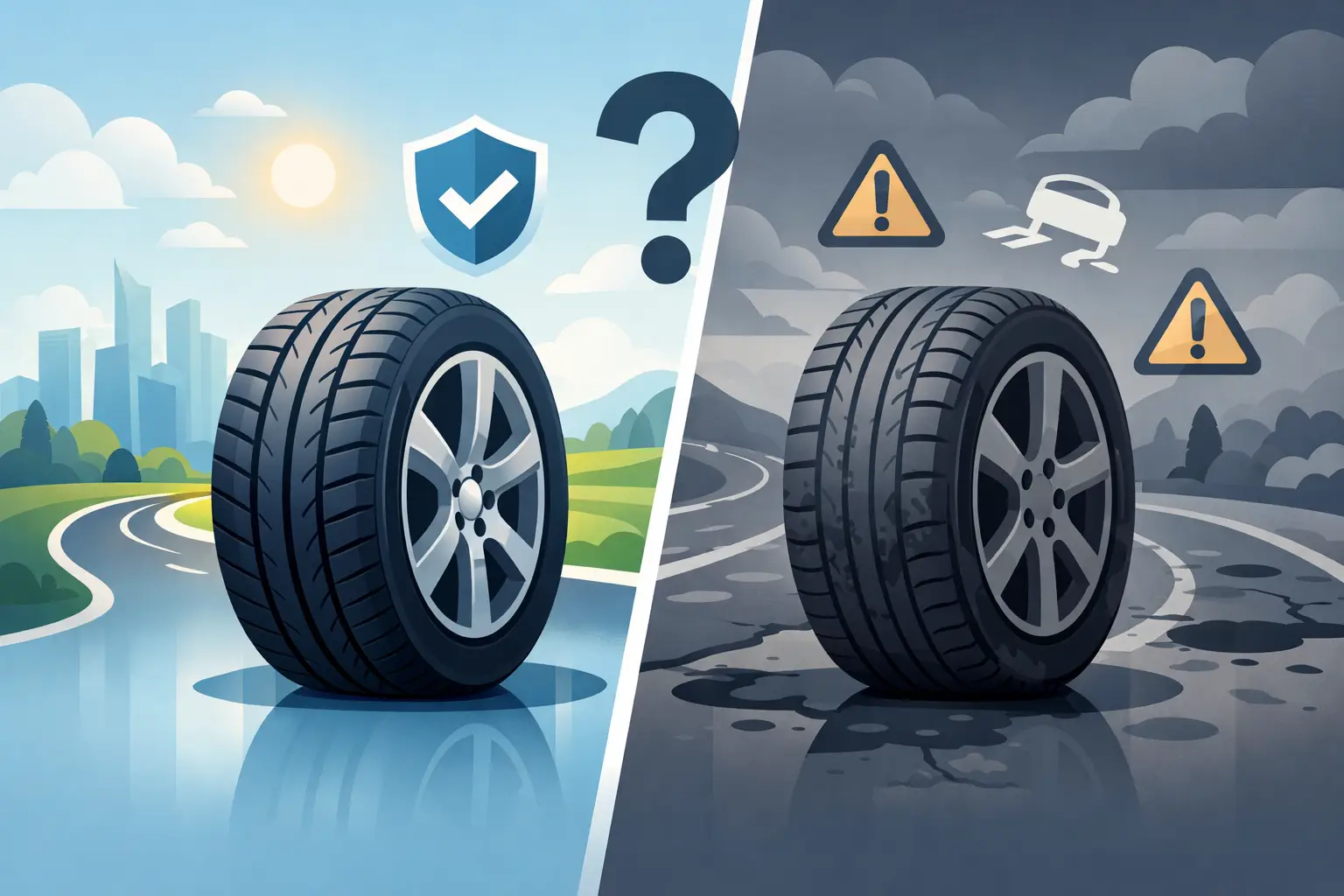
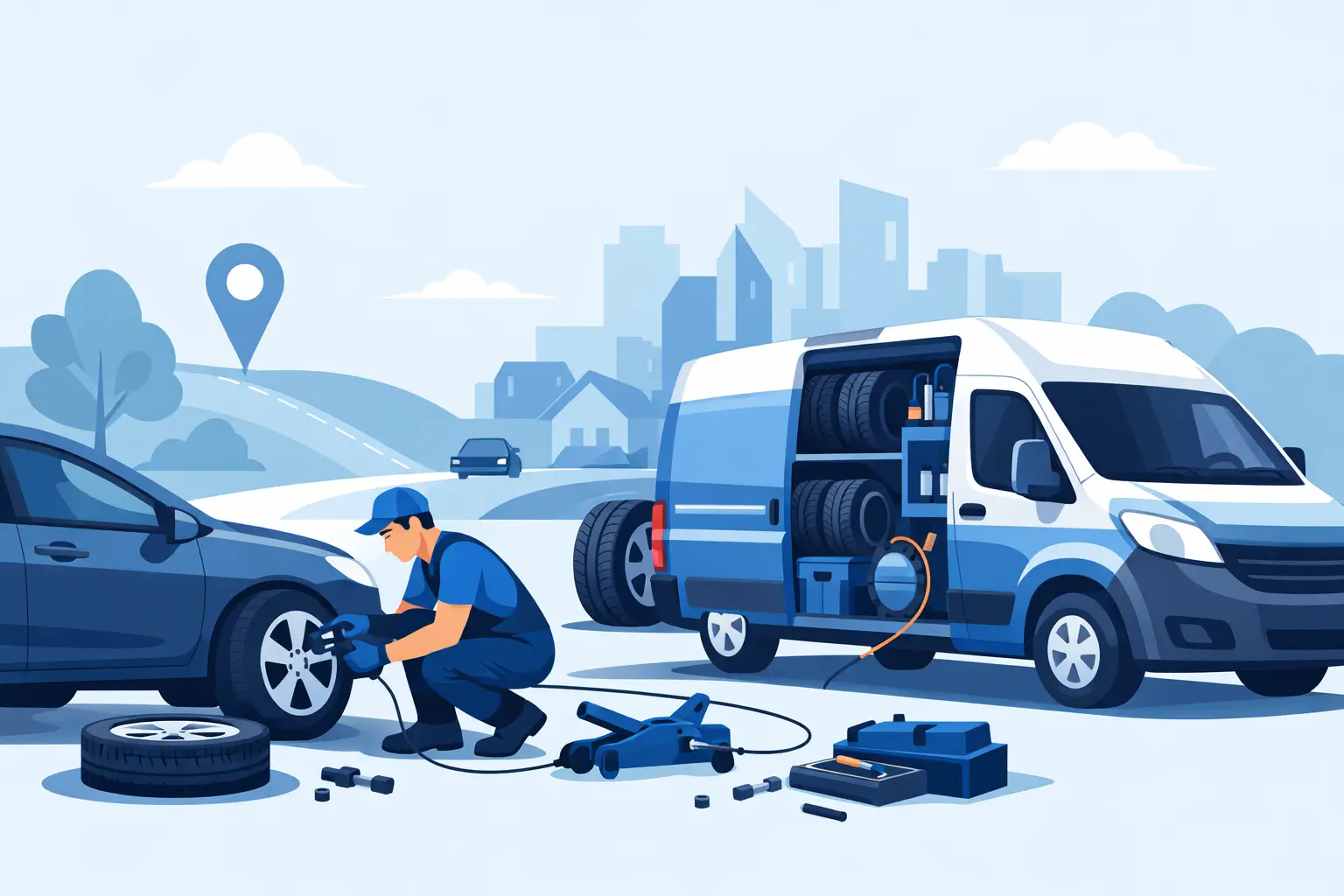
A flat tyre outside your house before work is inconvenient. A blowout on a dark roadside, a van stopped between jobs or a puncture discovered in a supermarket car park needs a faster answer. When you search for mobile tyre replacement near me, you need a qualified technician to come to you, assess the problem and get your vehicle safely moving again.
That is what mobile tyre fitting is for. Instead of arranging a recovery or losing hours at a garage, you can have tyres repaired or replaced at your home, workplace or roadside location across South East London and Kent.
Mobile tyre replacement near me: what happens next?
A mobile tyre service brings the fitting equipment, replacement tyre options and practical expertise to your location. Once you call, the key details are your vehicle registration or tyre size, your exact location and what has happened. If you can see a nail, sidewall damage or a completely deflated tyre, mention it. If you are unsure, say so. A technician can assess the tyre on arrival.
The process is straightforward. Your vehicle is checked, the damaged tyre is inspected and the safest available option is explained. Where a repair is suitable, it may save you the cost of a replacement. Where the tyre is unsafe, worn beyond the legal limit or damaged in the sidewall, it should be replaced. The wheel is then fitted correctly, balanced where required and checked before you drive away.
Falcon Mobile Tyres Fitting provides this service 24 hours a day for cars, vans, SUVs, light vehicles and caravans. Whether you are stranded or simply want new tyres fitted without giving up a morning, call us now and arrange support at your location.
When a tyre needs replacing rather than repairing
Not every puncture means buying a new tyre. A small puncture in the central tread area can sometimes be repaired safely, provided the tyre has not been driven flat and the internal structure is sound. A proper inspection matters. Tyre sealant or a quick inflation can get you moving temporarily, but it is not a substitute for checking the damage.
Replacement is usually the right call when there is a cut, split or bulge in the sidewall, damage close to the tyre shoulder, exposed cords or severe tread wear. A tyre that has been driven while flat may also have hidden internal damage, even if it holds air after being reinflated. In those cases, fitting a replacement is the safer and more cost-effective decision than risking another failure.
If you have had one tyre replaced, you may also need to consider the tyre on the opposite side of the same axle. Matching tread depth and tyre type helps your vehicle brake, steer and grip predictably, particularly in wet conditions. It depends on the remaining tyre’s condition, size and wear level, but a good technician will give you clear advice rather than push an unnecessary sale.
Why call a mobile fitter instead of driving to a garage?
The biggest benefit is simple: you do not have to drive on a damaged tyre. Continuing on a flat or badly deflated tyre can destroy the casing, damage the wheel and put you at risk of losing control. Even a slow journey to a garage can turn a repairable puncture into a replacement job.
Mobile fitting also works around real schedules. Commuters can arrange a replacement on the drive. Parents do not have to unload children and wait in a reception area. Tradespeople can get a van back on the road without losing a full day’s work. Fleet drivers can deal with a tyre issue where the vehicle has stopped, rather than arranging transport to a depot.
There are trade-offs. A garage may have every tyre brand and size immediately available, while a mobile technician needs to bring suitable stock or source the right tyre for your vehicle. However, for urgent replacements, punctures and common tyre sizes, the time saved by avoiding recovery and garage queues can make mobile fitting the practical choice.
What to do while you wait for tyre help
Your safety comes before the tyre. If you have a puncture or blowout while driving, hold the steering wheel firmly, reduce speed gradually and avoid harsh braking where possible. Pull over somewhere safe, away from moving traffic. Switch on your hazard lights and keep passengers clear of the carriageway.
On a motorway or busy dual carriageway, move behind a safety barrier if it is safe to do so. Do not attempt to change a wheel near live traffic. If the vehicle cannot be moved safely, follow the relevant roadside safety guidance and explain your situation clearly when you call for assistance.
At home or work, park on level ground and avoid repeatedly inflating a tyre that is visibly split, bulging or damaged. Do not remove a nail or screw yourself. It may be slowing the air loss, and removing it can make the tyre go flat immediately. A technician needs to inspect the puncture position and the tyre’s internal condition before deciding whether repair is possible.
The information that speeds up your booking
A quick, accurate call helps a mobile tyre technician arrive prepared. Have your vehicle registration ready if possible. The tyre size is printed on the sidewall and typically looks like 225/45 R17, although you do not need to decode it yourself. Your location is just as important, especially on unfamiliar roads, industrial estates or large car parks.
Explain whether the tyre is flat, slowly losing pressure, damaged after hitting a pothole or affected by a locking wheel nut issue. If you have locking wheel nuts but cannot find the key, say this at the start. Standard wheel removal is not possible without the right key or specialist removal equipment, so the technician needs to know before attending.
Be clear about access too. For example, tell the team if the vehicle is in an underground car park, on a narrow residential road or parked in a workplace compound. Small details prevent delays and help get the job completed first time.
Choosing the right replacement tyre for your vehicle
The cheapest tyre is not always the best value, but the most expensive option is not always necessary either. Your choice should reflect how and where you drive. A commuter covering modest mileage may want a dependable mid-range tyre. A high-mileage van driver may prioritise durability, wet grip and a tyre designed for heavier loads. SUVs and caravans have their own load and specification requirements.
The tyre must have the correct size, load rating and speed rating for the vehicle. It should also meet the required legal standard for tread depth and condition. If you are replacing tyres in winter or before a long motorway journey, wet-weather performance becomes especially relevant. Ask for a transparent explanation of the available options, including the fitted price, before work begins.
Transparent pricing matters in an emergency. You should know what you are paying for: the tyre itself, fitting, valve replacement where needed, balancing and any call-out charge. A clear quote means no surprises when you are already dealing with an unwanted breakdown.
24/7 tyre support for South East London and Kent
Tyre problems rarely happen at a convenient time. They happen after late shifts, before school runs, on weekend journeys and when most garages have closed. Around-the-clock mobile assistance gives you a practical option when waiting until morning is not safe or realistic.
If your car, van or caravan has a flat tyre, puncture, damaged sidewall or locked wheel nut, do not gamble on driving it further. Give clear details, stay somewhere safe and call us now. The right response can turn a stressful stop into a short delay and get you back on the road with confidence.