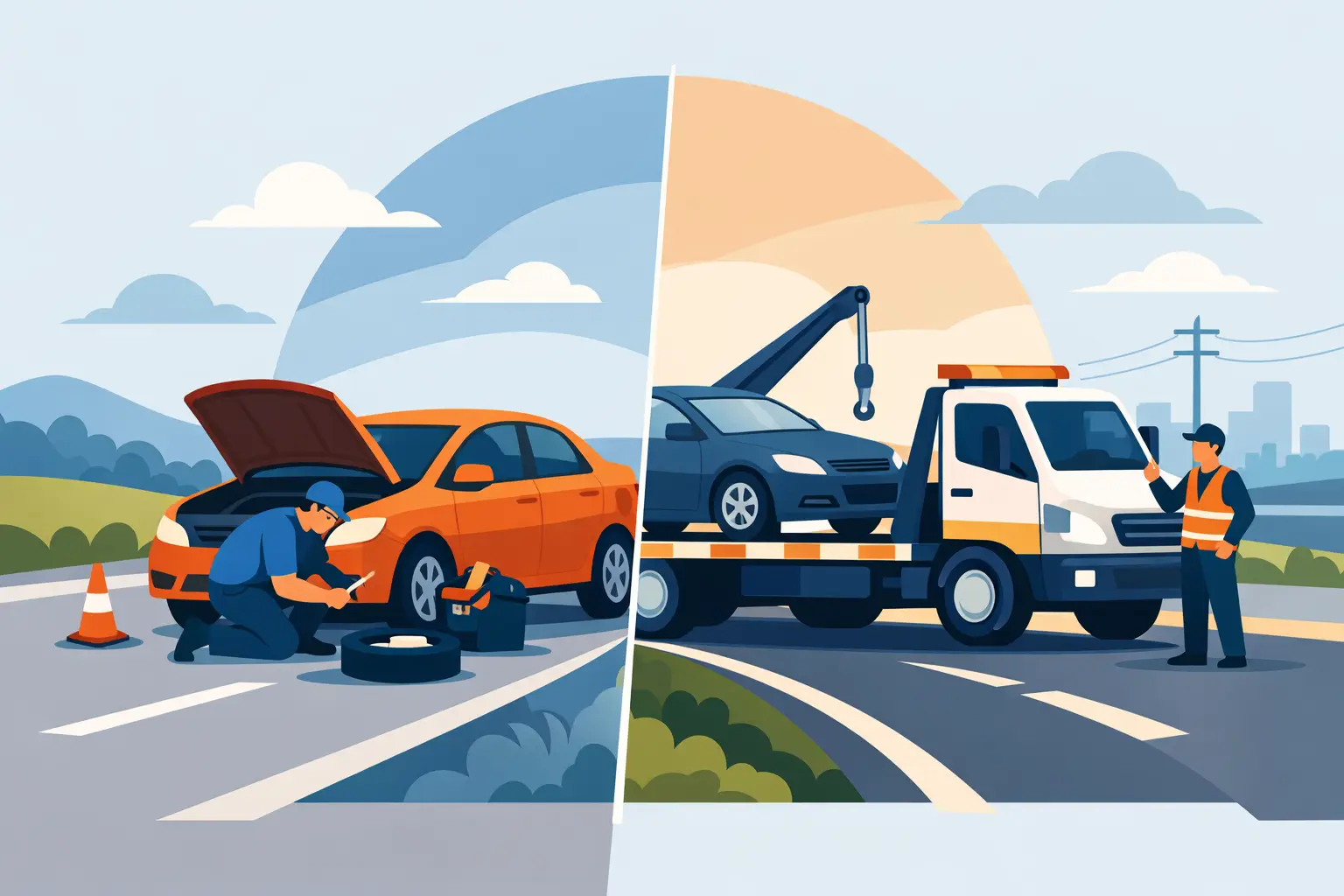
A puncture on the school run, a tyre warning light outside work, or a complete blowout on a Kent road creates the same immediate question: roadside repair versus towing, which gets you moving safely with the least disruption? The answer depends on the condition of the tyre, your vehicle and where you are stopped. Towing is sometimes essential, but many tyre problems can be diagnosed and resolved where you are.
Roadside repair versus towing: the key difference
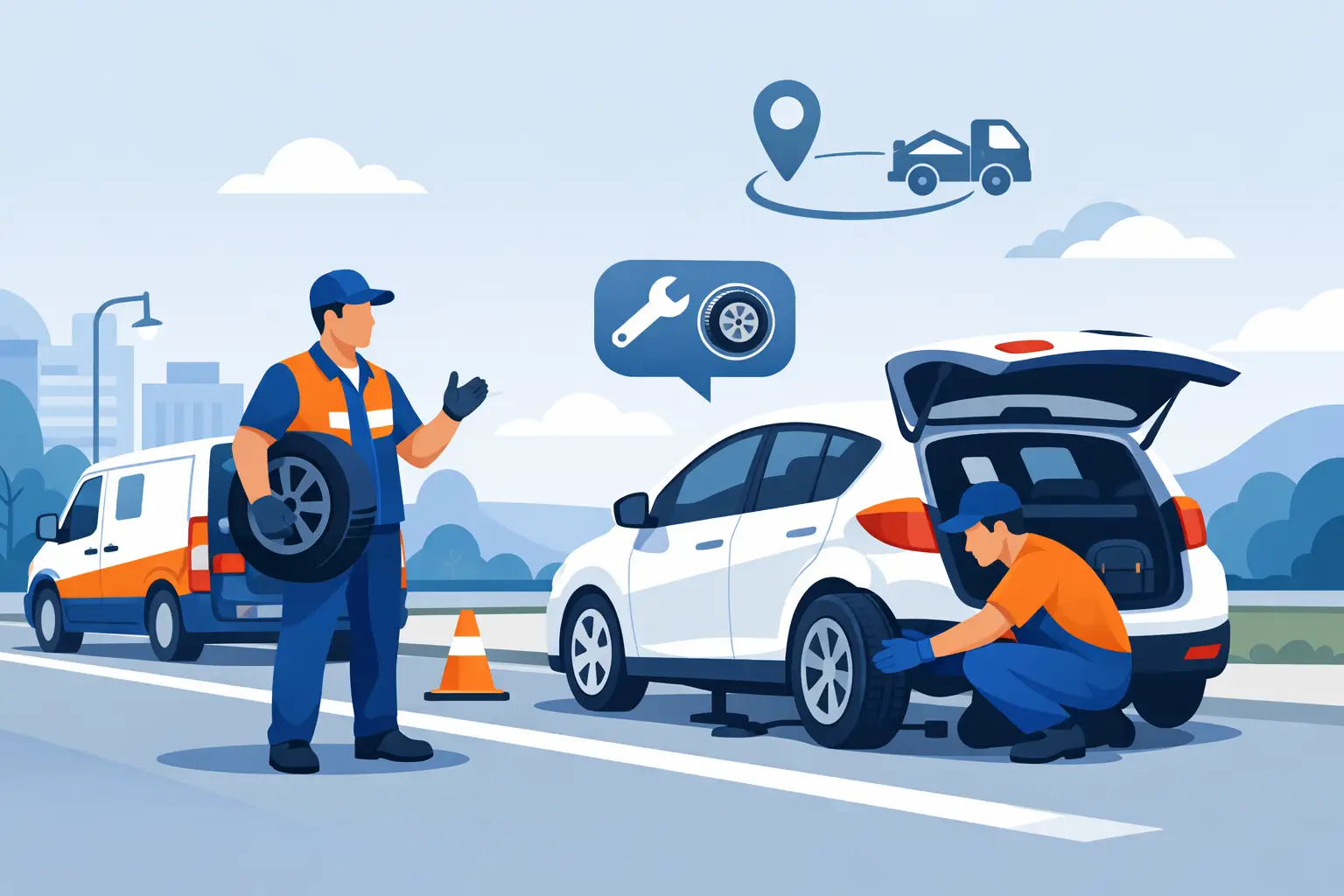
Roadside repair means a qualified technician comes to your location, assesses the fault and carries out the work on site where it is safe to do so. For tyre issues, that may mean repairing a suitable puncture, fitting a replacement tyre, changing a damaged valve or removing a locking wheel nut so the wheel can be replaced.
Towing means your vehicle is loaded or recovered and taken to a garage, depot or other safe location. It is the right route when the car cannot be made roadworthy at the roadside, the damage is more than tyre-related, or the place you have broken down is too dangerous for repairs.
The practical difference is time and inconvenience. A recovery vehicle can solve the immediate problem of being stranded, but it does not always solve the fault. You may still need to arrange repairs once the vehicle reaches a garage. A mobile tyre technician can often deal with the cause at the kerbside, driveway, workplace or safe roadside location, allowing you to continue your journey without a second appointment.
When a roadside tyre repair is the better option
Roadside assistance is usually the most efficient choice when the problem is limited to a wheel or tyre and the vehicle is otherwise safe to drive. A technician can inspect the tyre properly rather than relying on guesswork from the driver.
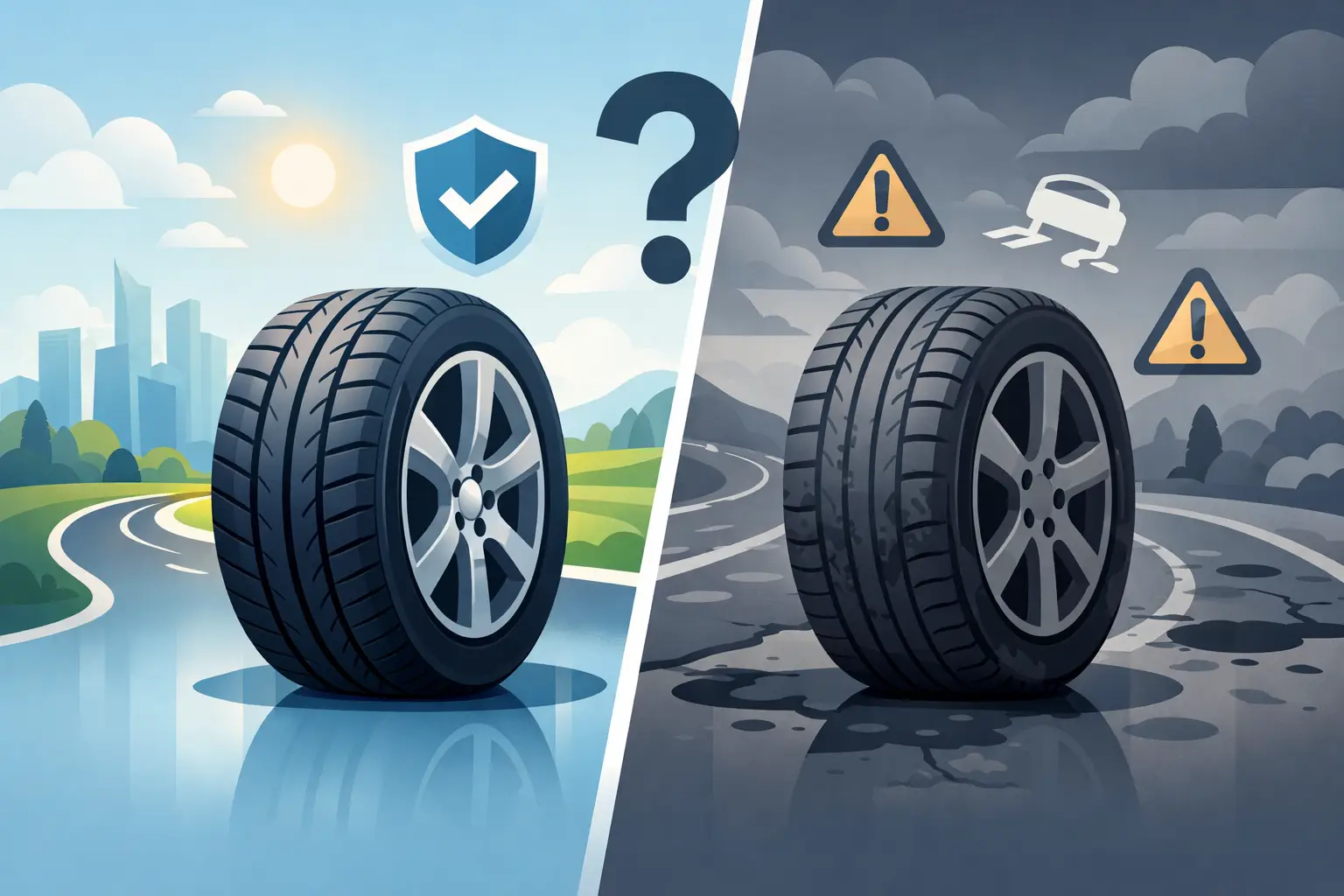
A repair may be possible if a puncture is in the central tread area, the tyre has not been driven flat for a significant distance and there is no serious internal damage. A nail or screw in the tread does not automatically mean you need a new tyre. The tyre must first be removed and inspected to confirm that a safe, industry-standard repair can be made.
If repair is not suitable, on-site replacement is often still faster than towing. This is particularly useful if you have no usable spare wheel, your spare is flat, your vehicle has a space-saver tyre, or your locking wheel nut key is missing or damaged. The right equipment and an experienced technician matter here. Damaging an alloy wheel or wheel nut in a rushed attempt to get moving can turn a straightforward tyre issue into a costly garage job.
Mobile support also makes sense for drivers who are not stranded on a live carriageway but cannot safely use the car. You might wake up to a flat tyre on the drive, notice sidewall damage in a supermarket car park or find a slow puncture while your van is parked at a job. There is little value in arranging a tow when the vehicle can be fixed at the location.
For commuters, families and tradespeople across South East London and Kent, this can protect the rest of the day. Instead of losing hours to recovery, garage queues and transport arrangements, you can have the issue assessed where the vehicle is.
Situations that can often be dealt with on site
A mobile tyre service is commonly the right call for a repairable tread puncture, a damaged tyre requiring replacement, a failed or missing spare, locking wheel nut removal, tyre pressure loss or a tyre that has worn beyond a safe level. The final decision always follows an inspection. Safety comes before convenience.
Falcon Mobile Tyres Fitting provides 24/7 mobile tyre support for these urgent situations, bringing professional tyre help to drivers at home, work or roadside locations across its local coverage area.
When towing is the safer choice
Towing is not a failure of roadside assistance. It is the correct decision when a safe repair cannot be completed where you are. A responsible technician should be clear about this rather than trying to force a quick fix.
Recovery is normally needed when there is serious mechanical damage, collision damage affecting steering or suspension, brake failure, an engine problem, leaking fluids, electrical faults that prevent safe operation, or multiple tyres damaged without suitable replacements available. It may also be required if your vehicle is positioned somewhere that puts you, other road users or the technician at risk.
A tyre with a deep sidewall cut, bulge, exposed cords or severe impact damage cannot be repaired. The same applies if it has been driven while flat and the internal structure has been compromised. In many of these cases, a replacement tyre can still be fitted on site. But if the wheel itself is bent, the suspension has been damaged after hitting a pothole, or the vehicle continues to show warning signs after the tyre is changed, do not drive it. Arrange recovery.
Location is equally important. Stopping on a motorway, at a busy junction, on a blind bend or in an unsafe lane changes the situation quickly. Put your hazard lights on, get yourself to a safe place if possible and follow the relevant road safety guidance. Do not attempt to change a wheel beside fast-moving traffic. In these circumstances, emergency highway support or recovery may be necessary before any tyre work can happen.
Cost, time and convenience: compare the full picture
It is tempting to compare only the call-out charge. That misses the wider cost of towing. Recovery may involve waiting for a vehicle, travelling to a garage, paying for the repair separately and then collecting the car later. If you are carrying tools, children, work equipment or shopping, the disruption can be significant.
A roadside tyre repair or replacement can reduce those steps. You know what work is being carried out, you can ask questions directly and, where the issue is resolved, you leave in your own vehicle. Transparent pricing matters because a breakdown is already stressful. Before work begins, you should understand whether the tyre is repairable, whether replacement is needed and what the expected cost will be.
That said, the cheapest-looking option is not always the right one. A low-cost repair is poor value if the tyre is unsafe, and a tow is worth every penny when a vehicle has a fault that could cause a loss of control. The best choice is the one that returns you to the road legally and safely, not simply the one that gets the vehicle moving first.
What to do while you wait for help
Your first job is to make the situation safe. Stop as far from traffic as possible, apply the handbrake and switch on your hazard lights. If you are on a motorway or another high-speed road, follow the appropriate breakdown procedure and keep clear of moving traffic.
Avoid driving on a flat tyre to reach a garage unless you have been specifically advised that it is safe. Even a short distance can destroy the tyre internally and may damage the wheel. Do not remove an embedded nail or screw either. Leaving it in place can slow air loss and helps the technician identify the source of the puncture.
When you call for assistance, give your exact location, vehicle registration, tyre size if you can see it, and a clear description of the damage. Mention whether you have a spare, whether the wheel nuts are locking nuts and whether the vehicle is carrying passengers or work equipment. These details help the technician arrive prepared.
Make the decision based on safety, not panic
If the fault is a tyre problem and your vehicle is in a safe place, roadside support can be the quicker, more convenient answer. If the tyre is beyond repair, a mobile replacement may still prevent the need for recovery. If there is wider vehicle damage or the location is unsafe, towing is the sensible next step.
Do not let a flat tyre turn into an all-day problem. Get the vehicle assessed properly, choose the safe option and get clear advice before you agree to any work. When tyre trouble stops your journey in South East London or Kent, call us now for practical 24/7 help at your location.